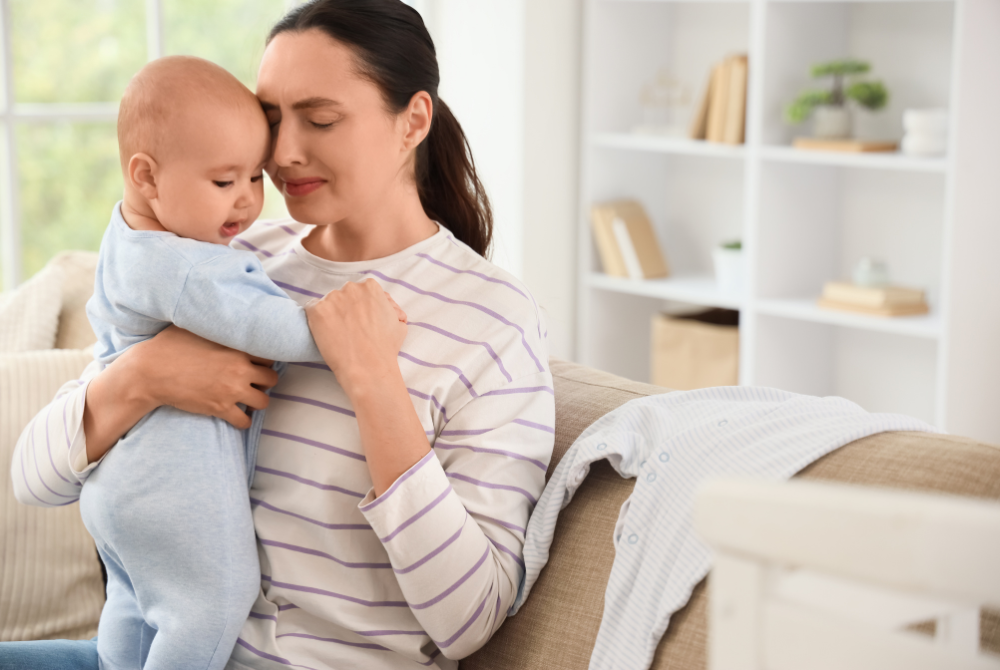
The postpartum period is often described as joyful, magical, and full of love. And sometimes it is.
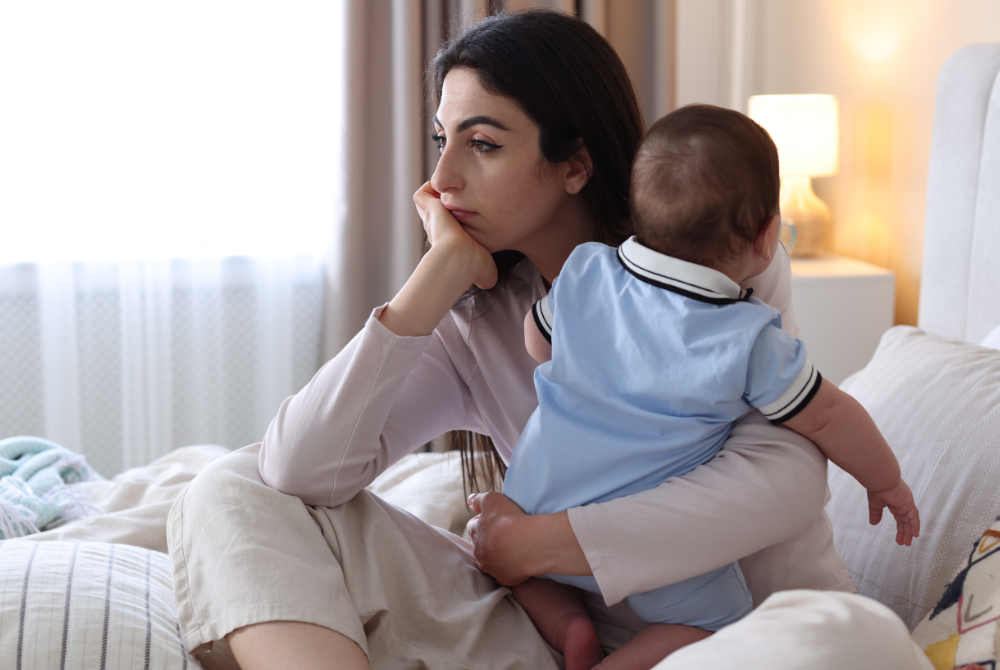
But it can also feel disorienting, exhausting, and emotionally overwhelming in ways you did not expect.
You might notice your thoughts racing late at night.
You might feel constantly on edge, worried about your baby, your body, your relationship, or whether you are doing any of this “right.”
You might wonder if what you are feeling is normal new-mom worry or something more.
Many new mothers experience postpartum stress, yet few feel prepared for how intense or confusing it can be. Understanding what postpartum stress looks like and how it differs from anxiety or depression can help you respond with care instead of self-judgment.
Let’s slow this down and explore what may be happening.
What is postpartum stress?
Postpartum stress refers to the emotional and physical strain that comes with the massive transition into motherhood. It is not a diagnosis. It is a response to sudden and ongoing demands placed on your nervous system, body, and sense of identity.
Postpartum stress can include:
- Constant worry about your baby’s wellbeing
- Feeling overstimulated or emotionally overloaded
- Trouble sleeping even when the baby sleeps
- Irritability, tearfulness, or feeling easily overwhelmed
- A sense that your old self feels far away or unfamiliar
Postpartum stress is incredibly common. Your hormones are shifting. Your sleep is disrupted. Your body is healing. Your identity is changing. All of this happens at once.
Experiencing postpartum stress does not mean something is wrong with you. It means you are adapting to a profound life change.
How long does postpartum stress last?
There is no universal timeline for postpartum stress. For some mothers, it eases within weeks. For others, it can last several months or longer, especially if there is limited support, ongoing sleep deprivation, or unaddressed emotional strain.
Postpartum stress tends to linger when:
- You feel pressure to “bounce back” quickly
- You are carrying the mental load alone
- You do not have space to process your emotions
- Your needs consistently come last
What matters most is not how long postpartum stress lasts, but whether you feel supported while moving through it. Stress that is acknowledged and cared for often softens. Stress that is minimized or carried in isolation tends to intensify.
What does postnatal depression feel like?
Postpartum stress, anxiety, and depression can overlap, which is why it can be hard to tell them apart.
Postnatal depression often feels heavier and more persistent than postpartum stress. It may include:
- A sense of numbness or emptiness
- Feeling disconnected from yourself or your baby
- Ongoing sadness or hopelessness
- Guilt or shame that feels consuming
- Loss of interest in things that once mattered
While postpartum stress often comes in waves tied to overwhelm or exhaustion, postnatal depression can feel like a constant fog that does not lift, even on “good” days.
If you notice that your postpartum stress is deepening rather than easing, or that you feel stuck in sadness or self-blame, reaching out for support is a compassionate and important step.
How to pull yourself out of postpartum depression?
There is no quick fix for postpartum depression, and it is not something you can simply think your way out of. Healing happens through support, connection, and gentle care.
Helpful steps can include:
- Talking openly about how you are feeling with someone you trust
- Working with a therapist who understands postpartum mental health
- Reducing isolation by connecting with other new mothers
- Addressing sleep and rest where possible, without perfection
- Allowing your identity to evolve rather than forcing yourself to return to who you were
It is important to know that postpartum stress does not need to become postpartum depression. Early support can make a meaningful difference.
You do not have to carry postpartum stress alone
One of the most painful parts of postpartum stress is feeling alone in it. Many mothers silently wonder if everyone else is coping better than they are.
They are not.
Support can be especially powerful when it comes from others who truly understand this season. Our Finding Your Identity Postpartum – Online Support Group offers a space for connection, reflection, and shared understanding during the postpartum period.
This group is led by Dr. Gillian Sternheim and is designed to support mothers navigating postpartum stress, emotional changes, and identity shifts. It provides a place to process your experience, learn coping skills, and hear from others going through similar transitions.
The group is:
- Open to all new mothers within the first year postpartum
- Held virtually, once a week for one hour
- A welcoming space where babies are welcome
There are already enough stressors during the postpartum period. Feeling alone does not need to be one of them.
A gentle reminder for new mothers
If you are experiencing postpartum stress, it does not mean you are failing. It means you are human, adjusting to a life-altering change with care and sensitivity.
Postpartum stress deserves understanding, not dismissal. Support, not silence. Compassion, not pressure.
You are allowed to need help. You are allowed to take up space. And you are allowed to find your way into motherhood at your own pace.
Healing and stead